

Parashurama: The Warrior Sage Who Challenged Arrogant Kings
Parashurama: The Warrior Sage Who Challenged Arrogant Kings
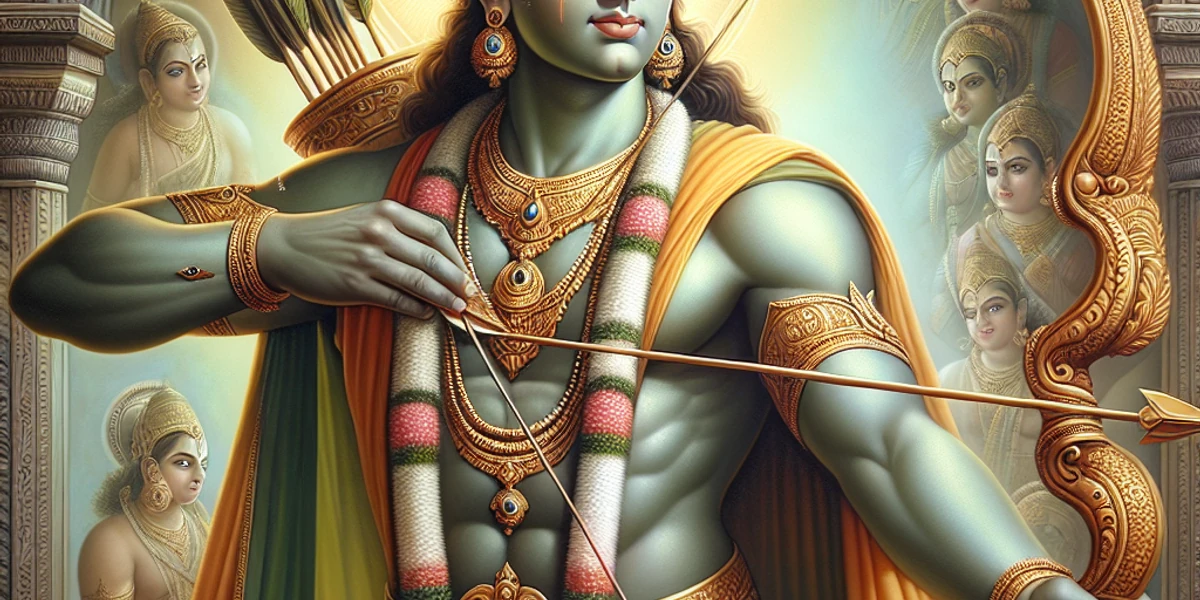
Parashurama stands atop the hills of Mahendra, ready to confront King Kartavirya Arjuna. The king has wronged Parashurama's father, Jamadagni, by stealing the sacred cow, Kamadhenu, as recounted in the Puranas.
The Story
Parashurama, the sixth avatar of Lord Vishnu, is a compelling figure in Hindu mythology, known for his unyielding commitment to dharma. Born to the sage Jamadagni and his virtuous wife Renuka, Parashurama wielded a divine axe granted to him by Lord Shiva. This formidable weapon became instrumental in his relentless pursuit to eradicate corrupt Kshatriyas, a task he undertook twenty-one times to restore righteousness in the kingdom. His story is chronicled in several Puranas, illustrating the ancient conflict between the ruling class and the principles of justice.
As Parashurama stood atop the hills of Mahendra, fury coursed through him. The cries of the oppressed filled the air, urging him to act. His father, Jamadagni, had been wronged by a powerful Kshatriya king named Kartavirya Arjuna, who had stolen the sacred cow, Kamadhenu, which was a source of immense wealth and prosperity. The king's arrogance had reached its peak, and it was time for Parashurama to confront him. The very ground trembled under the weight of his resolve as he grasped the axe, feeling its power surge through him.
The confrontation was inevitable. Parashurama descended from the hills, his presence commanding attention as he approached the court of Kartavirya Arjuna. The king, seated on his throne, laughed mockingly at the warrior sage. "What brings you here, O Brahmin? Do you seek riches or power?" he taunted, his tone dripping with disdain. Parashurama, undeterred by the king's jeers, declared, "I have come to reclaim what is rightfully ours. Return Kamadhenu and repent for your transgressions, or prepare to face the consequences."
Unfazed, Kartavirya Arjuna summoned his army, confident in his strength. The battle that ensued was fierce and chaotic. Parashurama fought valiantly, his axe slicing through the ranks of soldiers as if they were mere weeds. The sound of clashing steel reverberated across the battlefield, resonating with the cries of the righteous. Yet, the king's might was formidable, and the odds seemed to tilt against Parashurama as he faced the king directly. The sage felt the weight of the world upon his shoulders; this was not just a battle for his family but a test of dharma itself.
In a moment of despair, Parashurama prayed fervently to Lord Vishnu, seeking guidance and strength. His devotion pierced the heavens, and a divine light enveloped him. Empowered by this grace, he regained his focus and determination. With renewed vigor, he charged towards Kartavirya Arjuna, who stood arrogantly, sword in hand. The clash that followed was not merely a contest of strength but a manifestation of dharma against adharma.
The Supreme Lord speaks in the Bhagavad Gita:
करà¥à¤®à¤£à¥à¤¯à¥‡à¤µà¤¾à¤§à¤¿à¤•à¤¾à¤°à¤¸à¥à¤¤à¥‡ मा फलेषॠकदाचन। मा करà¥à¤®à¤«à¤²à¤¹à¥‡à¤¤à¥à¤°à¥à¤à¥‚रà¥à¤®à¤¾ ते सङà¥à¤—ोऽसà¥à¤¤à¥à¤µà¤•à¤°à¥à¤®à¤£à¤¿
"Your right is only to work, but not to its results; do not let the results of action be your motive, nor let your attachment be to inaction."
With one swift motion, Parashurama swung his divine axe and struck Kartavirya Arjuna down. The king's lifeless body fell to the ground, and silence gripped the battlefield. The soldiers, witnessing the defeat of their king, fled in terror. Parashurama, now victorious, stood amidst the remnants of war, breathing heavily but filled with a sense of justice restored. The cow Kamadhenu appeared before him, grateful for her liberation, and with her, prosperity returned to the land.
The tale of Parashurama teaches profound lessons about the nature of duty and justice. His relentless pursuit of righteousness serves as a reminder that true power lies not in dominance but in protecting the weak and upholding dharma. As described in the Vishnu Purana, Parashurama's actions resonate with the core principle of devotion, demonstrating that even a sage must take up arms when faced with injustice. His unwavering commitment to dharma inspires countless devotees, serving as a beacon of hope in challenging times.
In the end, Parashurama's story is not just about battle; it embodies the essence of devotion and the eternal struggle for righteousness. The echoes of his axe resonate through time, reminding us that the fight for justice and truth is a sacred duty that transcends all realms.
--- Scriptural Sources: Srimad Bhagavatam (primary source) Vishnu Purana ---
Bhagavad Gita Verse
Bhagavad Gita 2.47कर्मण्येवाधिकारस्ते मा फलेषु कदाचन। मा कर्मफलहेतुर्भूर्मा ते सङ्गोऽस्त्वकर्मणि
“Your right is only to work, but not to its results; do not let the results of action be your motive, nor let your attachment be to inaction.”
Moral of the Story
Faith protects devotees in challenging circumstances. Unwavering devotion invokes divine guidance. Upholding dharma in the face of injustice is essential.
How to Apply This Story in Real Life
Light a lamp before Lord Vishnu's image each morning. Offer fresh tulsi leaves and water. Chant Om Namo Narayanaya 108 times, counting on beads. This daily practice strengthens devotion and creates a sacred rhythm in your day.
Maintain daily prayers even when results aren't visible, recalling Parashurama's steadfastness. When doubts arise in your sadhana, remember his commitment to dharma. Serve others selflessly, viewing each act as service to Vishnu.
Why This Story Matters
Parashurama's actions highlight the significance of dharma in the face of tyranny. The story illustrates that devotion and commitment to righteousness can lead to divine support. Devotees learn that standing against injustice is a sacred duty, reinforcing the importance of integrity in practice.
Frequently Asked Questions (FAQs)
Parashurama was motivated by his father's injustice, as King Kartavirya Arjuna had stolen Kamadhenu, the sacred cow. This act not only harmed his family but also threatened righteousness in the kingdom, compelling Parashurama to act decisively.
The Vishnu Purana details Parashurama's battle with Kartavirya Arjuna. It emphasizes the conflict between dharma and adharma, illustrating Parashurama's unwavering commitment to justice and the divine support he received during the confrontation.
Devotees can embody Parashurama's commitment by actively standing against injustice in their communities. Practicing integrity and supporting those in need reflects Parashurama's values, fostering a spirit of righteousness in daily interactions.
This story is part of our curated collection designed to help readers navigate emotional and life challenges through meaningful storytelling rooted in the timeless wisdom of Lord Jagannath.