

In the heart of Vrindavan, where the Yamuna river flows serenely, a sinister darkness sought to disrupt the divine play of the infant Krishna. Putana, a demoness of malevolent intent, approached with poisoned milk concealed within her maternal guise. Yet, the celestial child she sought to harm was no ordinary being. What unfolds is a tale of cosmic justice and unexpected redemption that echoes through the ages, as detailed in the revered Srimad Bhagavatam.
The Story
In the heart of Vrindavan, where the Yamuna river flows serenely, a sinister darkness sought to disrupt the divine play of the infant Krishna. Putana, a demoness of malevolent intent, approached with poisoned milk concealed within her maternal guise. Yet, the celestial child she sought to harm was no ordinary being. What unfolds is a tale of cosmic justice and unexpected redemption that echoes through the ages, as detailed in the revered Srimad Bhagavatam.
In the tranquil village of Vrindavan, the people lived under the benevolent rule of Nanda Maharaja and his queen, Yashoda. Their son, Krishna, was the embodiment of divine joy, his laughter likened to the tinkling of celestial bells. Amidst the idyllic landscape, the demoness Putana, sent by the tyrant Kamsa, descended upon the village, her heart filled with malicious intent. Disguised as a nurturing mother, she approached the child Krishna, determined to end his divine life with her poisoned breast.
The morning was calm, with the soft rustle of leaves and a gentle breeze carrying the fragrance of blooming jasmine. Putana's presence, however, cast an eerie shadow, disrupting the serene harmony with a chilling aura.
As Putana cradled Krishna in her arms, a deceptive smile gracing her lips, the villagers remained unaware of the impending danger. Yet, within the innocent guise, a battle of wills ensued. Krishna, with his infinite perception, recognized the darkness within her heart. As he latched onto her breast to suckle, instead of succumbing to the poison, he began to draw out her very life force.
Putana's mind was a whirlwind of fear and disbelief. Her plan unraveling, she struggled internally with the realization that her life was draining away, her identity as a fearsome demoness crumbling in the face of the divine infant's power.
In a moment of divine intervention, the infant Krishna revealed his supreme nature. Putana's cries echoed through the forest, a blend of anguish and surrender. Her demonic form was laid bare as her life force was drawn out, her spirit purified in the process.
Krishna's touch was transformative, a literal manifestation of divine mercy. Instead of punishment, he bestowed liberation upon her, acknowledging a motherly gesture amidst her evil intent.
With Putana's demise, the village of Vrindavan was freed from the shadow of fear. The spiritual and political ramifications were profound, as the villagers realized the divine grace that protected them. Krishna's act of mercy was a reminder of the cosmic balance he maintained.
The event strengthened the villagers' devotion, reinforcing their faith in Krishna as their divine protector. The story of Putana's liberation spread, marking a pivotal moment in Krishna's earthly pastimes.
In the aftermath, the village returned to its serene tranquility. Yashoda cradled Krishna, unaware of the cosmic battle that had unfolded. In her embrace, Krishna smiled, a testament to the dharmic resolution that had been achieved.
Putana, though vanquished, was granted liberation, her soul elevated beyond her previous misdeeds. It was a profound reminder of Krishna's all-encompassing grace.
In our modern lives, the story of Putana and Krishna offers timeless wisdom. It serves as a reminder that even those with ill intent can find redemption through divine grace. The moral stands clear: true transformation is possible through the acceptance of karma and the cleansing power of divine love.
Krishna's mercy is boundless, offering redemption to all. Even the darkest of souls can find light through sincere transformation. Divine grace transcends earthly intentions.
Bhagavad Gita Verse
2.50बुद्धियुक्तो जहातीह उभे सुकृतदुष्कृते। तस्माद्योगाय युज्यस्व योगः कर्मसु कौशलम्
“Endowed with wisdom and evenness of mind, one casts off in this life both good and evil deeds; therefore, devote yourself to Yoga; Yoga is skill in action.”
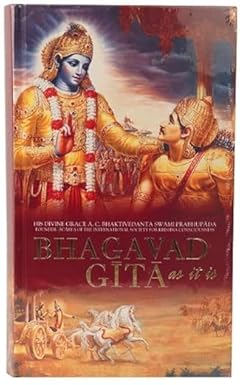
Moral of the Story
The story of Putana's liberation through Krishna's grace teaches us the profound power of compassion and redemption. It illustrates that no matter how far one has strayed into darkness, there is always the possibility of spiritual awakening and forgiveness through divine love. This narrative encourages us to seek transformation rather than punishment.
How to Apply This Story in Real Life
Practice forgiveness towards yourself and others, recognizing that everyone can change.
Cultivate compassion in your interactions, understanding the struggles of those around you.
Reflect on your own journey of growth and transformation, focusing on positive change rather than past failures.
Why This Story Matters
This story resonates deeply in today's world, where many struggle with feelings of guilt, shame, and the burden of past mistakes. It reminds us that everyone has the potential for change and that grace can lead to healing, not just for individuals but also for communities. The themes of redemption and compassion are crucial as we navigate the complexities of modern life, encouraging us to embrace forgiveness and understanding.
Frequently Asked Questions (FAQs)
It illustrates that even those who have committed grave mistakes can find forgiveness and liberation through divine grace.
By embracing compassion and forgiveness, we can create a more understanding and supportive environment for ourselves and others.
Putana represents the possibility of transformation; her story signifies that even the most misguided souls can be redeemed through love and grace.

Suggested Books & Puja Items



This story is part of our curated collection designed to help readers navigate emotional and life challenges through meaningful storytelling rooted in the timeless wisdom of Lord Jagannath.