

Jyeshtha Amavasya 2026 in Puri, Odisha
Jyeshtha Amavasya is a cherished festival in the Hindu calendar, observed with devotion and reverence by spiritual seekers. This sacred day falls on June 15, 2026, bringing with it the blessings of Pitris (Ancestors) and the spiritual energy of Mrigashira nakshatra.
Auspicious Timings & Panchang
📍 Puri, Odisha
Today's Recommendations for Jyeshtha Amavasya 2026 in Puri, Odisha
Follow these sacred rituals to make the most of this auspicious day
Morning Sankalpa and Prayer
EssentialMain Puja and Mantra Japa
RecommendedDeepa and Aarti in evening
RecommendedJyeshtha Amavasya Katha
In the sacred month of Jyeshtha, when the moon wanes into the dark night of Amavasya, a profound tale of love, devotion, and sacrifice unfolds, echoing through the ages. This day is revered as Jyeshtha Amavasya, a time when the essence of marital fidelity and ancestral reverence intertwines, inspired by the heartwarming legend of Savitri and Satyavan. Savitri, a princess of unparalleled beauty and wisdom, was deeply in love with Satyavan, a noble prince destined for an untimely death. Their bond was forged not just in the warmth of affection but also in the understanding of life’s ephemeral nature. Despite knowing of Satyavan’s fate, Savitri chose to marry him, embodying the spirit of unwavering commitment. Her heart brimmed with love, and her soul resonated with the truth that true devotion transcends the boundaries of mortality. As the sun rose on the fateful day of Jyeshtha Amavasya, the air was thick with an ominous silence. Savitri, aware that Yama, the god of death, would soon arrive to claim her husband’s soul, prepared herself for an extraordinary ordeal. She knew that her love for Satyavan was not just a fleeting emotion but a powerful force that could challenge even the laws of nature.
As Satyavan sat beneath the banyan tree, his spirit unknowing of the tragedy that loomed, Savitri's heart was resolute. When Yama appeared, cloaked in his dark aura, the moment was both terrifying and poignant. Savitri, undeterred by fear, followed Yama as he led Satyavan away. Her determination shone like a beacon in the dark, illuminating the path of her unwavering devotion. She pleaded with Yama, articulating the virtues of her husband and the bond they shared. Her words were laced with sincerity and emotion, resonating with the very essence of love and loyalty. Yama, impressed by Savitri’s intelligence and devotion, offered her a choice. She could ask for anything, but her heart remained steadfast. She first requested the restoration of her husband’s life, and then, in a display of selflessness, she asked for the well-being of her father-in-law, demonstrating her respect for her family and ancestors.
Yama, moved by her unwavering spirit and the purity of her intentions, granted her wish. In that moment, Satyavan was revived, and the couple was reunited, their love transcending the clutches of death. From that day forth, Savitri’s devotion became a guiding light for married women, who began to observe the Vat Savitri Vrat on Jyeshtha Amavasya. They worshipped the sacred banyan tree, known as Vat Vriksha, a symbol of strength and longevity, and performed rituals to honor their husbands and ancestors. The banyan tree, with its sprawling branches and deep roots, became a sacred site where prayers for the long life of husbands were offered, echoing Savitri’s own prayers to the divine. This day, rich with spiritual significance, teaches the values of devotion, sacrifice, and the importance of honoring one’s ancestors. The rituals performed on Jyeshtha Amavasya serve as a reminder of the bond between the living and the departed, emphasizing the need to respect and remember those who came before us. The duality of worship—devotion to one’s spouse and reverence for ancestors—creates a harmonious balance, enriching the lives of those who partake in the observance. Thus, Jyeshtha Amavasya stands as a testament to the power of love and devotion, a day when the spirit of Savitri inspires countless hearts to pray for the well-being of their loved ones, ensuring that the legacy of love endures through the ages.
Puja Vidhi - Jyeshtha Amavasya 2026 in Puri, Odisha
The puja for Jyeshtha Amavasya 2026 in Puri, Odisha is a sacred ritual that offers us an opportunity to establish a deep connection with divinity. This method is inspired by centuries-old traditions and is performed with devotion, reverence, and the spirit of surrender.
This comprehensive puja guide contains 4 essential steps that can be completed in approximately 30-45 minutes. Each step is explained with clarity and devotion to help you connect with the divine presence of Lord Krishna.
🪔 1. Step 1
Prepare a clean puja space and light a diya.
🌸 2. Step 2
Offer flowers, incense, and water with devotion.
📿 3. Step 3
Recite the main mantra and pray with focus.
🙏 4. Step 4
Perform aarti and distribute prasad.
The most important aspect of puja is your devotion and faith. Whether you follow each step in detail or adapt it to your circumstances, purity of mind and the spirit of surrender are the foundation of true worship. May Lord Krishna bless you with divine love and eternal peace. Om Shanti Shanti Shanti.
🛍️ Puja Samagri Checklist
Prepare these items for a complete puja
✅ Essential Items
⭐ Optional Items
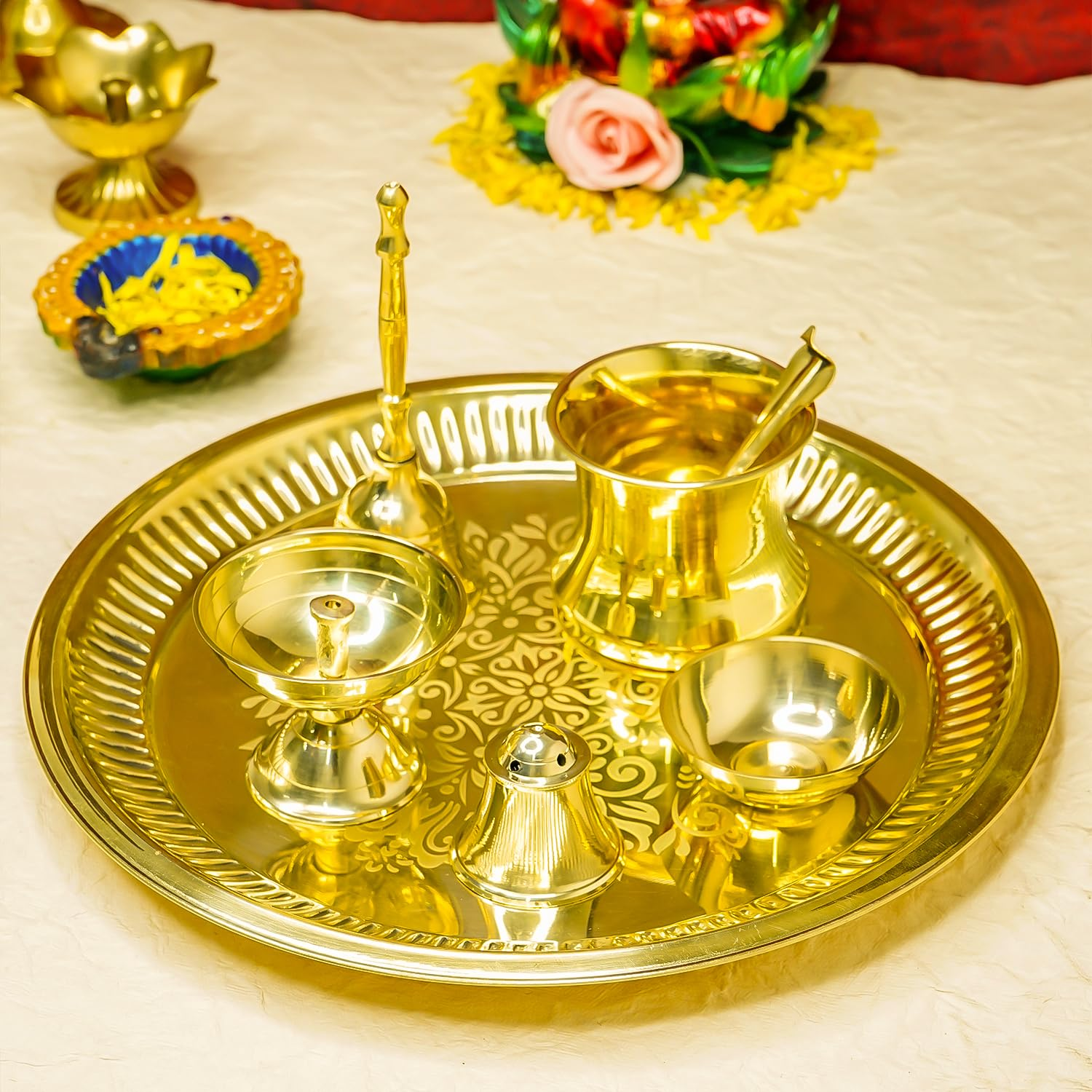
Puja Samagri Picks for This Festival


🍎 Fasting Rules & Guidelines
✅ Allowed Foods
❌ Foods to Avoid
Special Considerations
Frequently Asked Questions (FAQs)
Jyeshtha Amavasya is a sacred day in the Hindu calendar that offers devotees an opportunity for spiritual purification and divine connection. Associated with Vat Savitri vrat; women worship banyan tree for husband's long life The practices associated with this day have been followed for generations and continue to provide profound spiritual benefits to sincere practitioners.
Working professionals in Puri can observe this sacred day by planning ahead and making thoughtful adjustments to their schedule. Consider taking the day off if possible, or arrange for lighter work duties. Many devotees successfully observe modified fasts while maintaining work commitments - this might include consuming fruits and milk during the day. The key is sincere intention and doing your best within your circumstances. Remember, the divine appreciates sincere effort and devotion, regardless of external constraints.
The parana time is spiritually significant as it marks the completion of the fast at the most auspicious moment. Breaking the fast at the correct time ensures that you receive the full spiritual benefits of your observance. Consult a panchang or spiritual guide for the exact timing. It's important to break the fast with gratitude and mindfulness, offering prayers before consuming food.
Yes, you can observe Jyeshtha Amavasya while traveling. The divine appreciates sincere devotion regardless of location. Carry some basic puja items if possible, or simply maintain the fast and engage in mental worship and prayer. Many devotees find that observing festivals while traveling deepens their spiritual practice by requiring more mindfulness and intention. The key is to maintain the spiritual essence of the observance even if external circumstances are different.
When breaking the fast, it's recommended to consume light, sattvic (pure) foods that are easy to digest. Fresh fruits, milk and dairy products, light vegetarian meals, coconut water, and nuts are traditionally recommended. Begin with something light and gradually return to your normal diet. Avoid heavy, spicy, or tamasic (impure) foods immediately after the fast. Most importantly, break the fast with gratitude and mindfulness, offering prayers before eating.