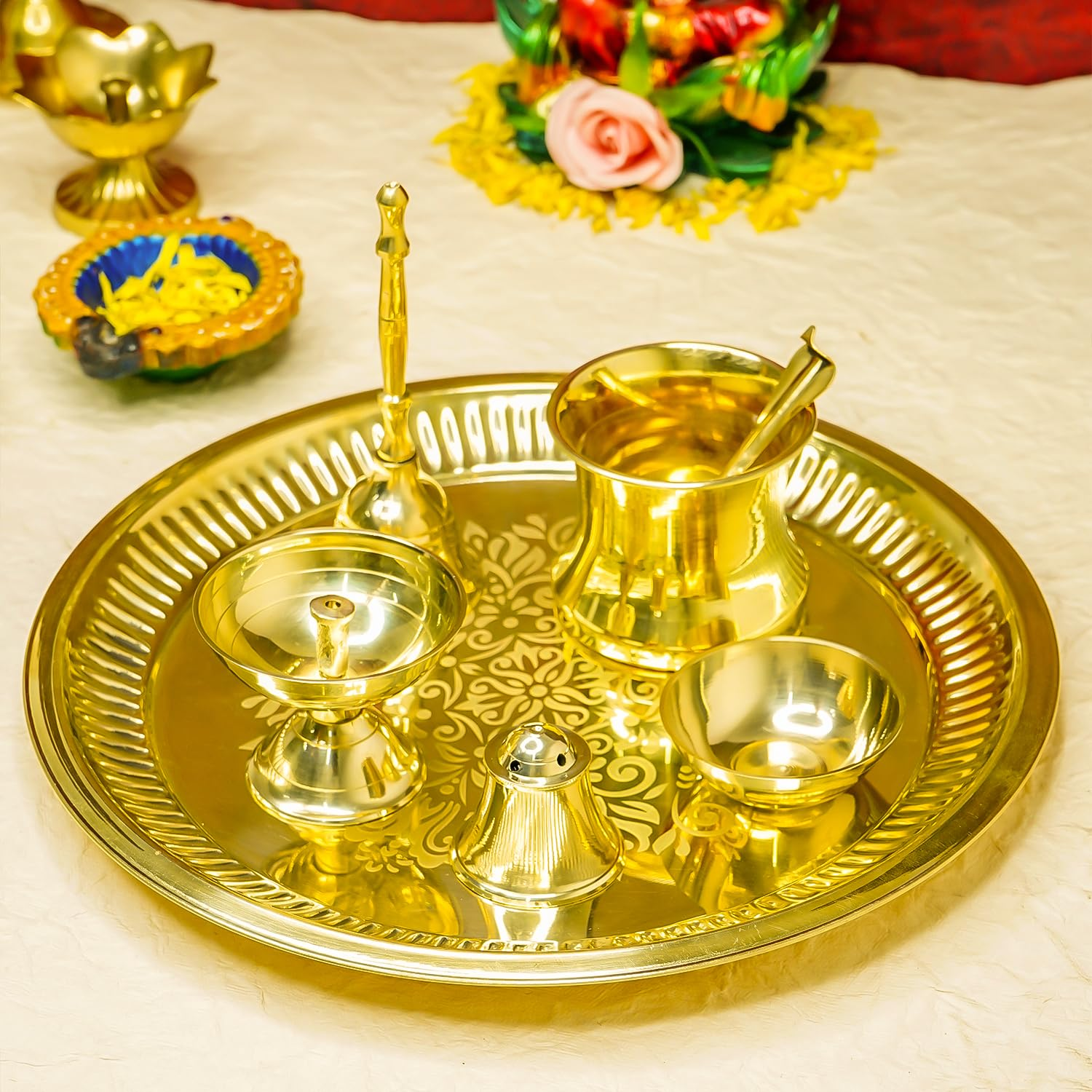
On this sacred day of Shravana Amavasya, devotees across Puri and beyond come together in spiritual observance. This auspicious occasion offers a beautiful opportunity to deepen our connection with the divine and honor ancient traditions that continue to guide us today.
Date: 10:30 am to 11:07 pm IST on Wednesday, 12 August 2026
Tithi: Amavasya (30th lunar day)
Paksha: krishna Paksha
Month:
Timing: 10:30 am to 11:07 pm IST on Wednesday, 12 August 2026
Duration: 12 hours 36 minutes
Shravana Amavasya is a cherished festival in the Hindu calendar, observed with devotion and reverence by spiritual seekers. This sacred day falls on August 12, 2026, bringing with it the blessings of Pitris (Ancestors) and the spiritual energy of Pushya nakshatra.
In Puri, Odisha, devotees prepare for this special day with hearts full of devotion, ready to embrace the spiritual practices that have been passed down through generations. The observance of this festival connects us to our rich cultural heritage while offering profound spiritual benefits.
The spiritual significance of Shravana Amavasya is deeply rooted in Vedic wisdom. Sacred month of Shravana; highly auspicious for ancestral rituals and Shiva worship
Observing this festival with sincerity and devotion helps us cultivate inner peace, strengthen our spiritual practice, and experience the grace of the divine. The practices associated with this day are designed to purify the mind, body, and spirit, creating space for spiritual growth and transformation.
Devotees traditionally observe this sacred day through fasting, prayer, and meditation. The fast, whether complete or partial, is undertaken as a spiritual discipline that helps focus the mind and purify the body. Throughout the day, devotees engage in worship, chanting mantras, and reading sacred texts.
In Puri, many devotees visit temples during the auspicious hours, while others create sacred space in their homes for worship. The key is to approach the day with devotion and sincerity, allowing the spiritual practices to deepen your connection with the divine.
Tradition preserves this observance through an approved canonical narrative source (Matsya Purana (canonical registry)). Sage Vyasa explained that Shravana Amavasya falls in the most sacred month dedicated to Lord Shiva. On this day, the combined worship of ancestors and Lord Shiva grants immense spiritual merit. The lush greenery of the monsoon season (hence called Hariyali Amavasya in some regions) symbolizes prosperity and growth. Ancestors are especially pleased with offerings made during this holy month. Those who perform tarpan, worship Lord Shiva, and donate green vegetables and food to the needy receive ancestral blessings and Shiva's grace. The sacred month amplifies the power of all rituals performed on this Amavasya.
This enriched retelling remains faithful to that foundational story while offering additional devotional context for modern readers in Puri. The storyline, principal characters, and moral direction are preserved intentionally so that observance guidance remains authentic and scripturally aligned.
In practice, devotees approach this katha not merely as history but as living guidance: sincere vrata, remembrance of the divine, and transformation through disciplined devotion.
Shravana Amavasya holds profound spiritual significance in Hindu tradition. Sacred month of Shravana; highly auspicious for ancestral rituals and Shiva worship
The festival falls during Pushya nakshatra, which pushya is considered the most auspicious nakshatra. it represents spiritual nourishment and divine blessings. This celestial alignment enhances the spiritual potency of the day, making it especially auspicious for worship and spiritual practices.
The Vyatipata yoga present during this time vyatipata means "calamity" or "misfortune". it represents major obstacles and unfavorable conditions. This creates favorable conditions for spiritual growth and the fulfillment of devotional practices.
Spiritual Benefits
- Spiritual purification and cleansing of past karmas
- Deepening of devotional practice and connection with the divine
- Inner peace and mental clarity through focused spiritual discipline
- Blessings and grace from the divine for sincere observance
The observance of Shravana Amavasya includes traditional fasting and ritual practices that have been followed by devotees for generations. These practices are not mere rituals but spiritual disciplines that help purify the mind and body while deepening our connection with the divine.
Fasting Guidelines
- Devotees traditionally observe complete fast or consume only fruits and milk
- Grains, pulses, and certain vegetables are avoided to maintain spiritual purity
- The fast is broken at the appropriate time with prayers and gratitude
- Throughout the day, devotees engage in prayer, meditation, and spiritual reading
Puja Vidhi
- Begin the day with morning ablutions and wear clean, preferably new clothes
- Create a sacred space for worship with a clean altar and fresh flowers
- Light a lamp and incense, invoking the divine presence
- Offer flowers, tulsi leaves, and fruits with devotion
- Chant mantras or read from sacred texts like the Bhagavad Gita
- Meditate on the divine form and qualities
- Conclude with aarti and distribute prasad to family and community
Best Time for Worship
06:25 am to 07:55 am IST on Wednesday, 12 August 2026
Morning hours after sunrise combined with Pushya nakshatra pada 1
Alternate Time: 03:55 am to 05:25 am IST on Wednesday, 12 August 2026
Brahma Muhurta - the most auspicious time for spiritual practices
Do's and Don'ts
Do's
- Prayer
- Fasting
- Charity
- Protective rituals
- Favorable for Ancestral rituals
- Favorable for Introspection
- Favorable for Letting go
- Favorable for Endings
- Good for All auspicious activities
- Good for Spiritual practices
Don'ts
- All important activities
- Travel
- Investments
- New beginnings
- Avoid New beginnings
- Avoid Celebrations
- Avoid Auspicious ceremonies
Observing in Puri
For devotees in Puri, Odisha, observing Shravana Amavasya can be beautifully integrated into modern urban life while maintaining the spiritual essence of the tradition.
- Plan your day around the festival timings, allowing adequate time for spiritual practices
- Prepare puja materials in advance - flowers, fruits, and incense are available at local markets in Puri
- If visiting temples, consider traffic patterns and plan to arrive during less crowded hours
- Many working professionals in Puri observe modified fasts - consult with elders or spiritual guides for guidance
- Create a peaceful space at home for worship if temple visits are not possible
- Connect with local spiritual communities for group observances and support
Frequently Asked Questions (FAQs)
Shravana Amavasya is a sacred day in the Hindu calendar that offers devotees an opportunity for spiritual purification and divine connection. Sacred month of Shravana; highly auspicious for ancestral rituals and Shiva worship The practices associated with this day have been followed for generations and continue to provide profound spiritual benefits to sincere practitioners.
Working professionals in Puri can observe this sacred day by planning ahead and making thoughtful adjustments to their schedule. Consider taking the day off if possible, or arrange for lighter work duties. Many devotees successfully observe modified fasts while maintaining work commitments - this might include consuming fruits and milk during the day. The key is sincere intention and doing your best within your circumstances. Remember, the divine appreciates sincere effort and devotion, regardless of external constraints.
The parana time is spiritually significant as it marks the completion of the fast at the most auspicious moment. Breaking the fast at the correct time ensures that you receive the full spiritual benefits of your observance. Consult a panchang or spiritual guide for the exact timing. It's important to break the fast with gratitude and mindfulness, offering prayers before consuming food.
Yes, you can observe Shravana Amavasya while traveling. The divine appreciates sincere devotion regardless of location. Carry some basic puja items if possible, or simply maintain the fast and engage in mental worship and prayer. Many devotees find that observing festivals while traveling deepens their spiritual practice by requiring more mindfulness and intention. The key is to maintain the spiritual essence of the observance even if external circumstances are different.
When breaking the fast, it's recommended to consume light, sattvic (pure) foods that are easy to digest. Fresh fruits, milk and dairy products, light vegetarian meals, coconut water, and nuts are traditionally recommended. Begin with something light and gradually return to your normal diet. Avoid heavy, spicy, or tamasic (impure) foods immediately after the fast. Most importantly, break the fast with gratitude and mindfulness, offering prayers before eating.