
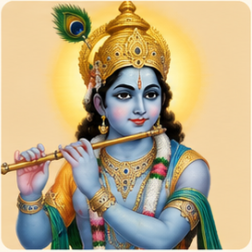
Krishna Janmashtami 2026
Celebrating the divine birth of Lord Krishna, the eighth avatar of Vishnu
Auspicious Timings & Panchang
📍 Puri, Odisha
Today's Sacred Rituals for Janmashtami
Follow these sacred rituals to make the most of this auspicious day
Fast throughout the day until midnight (or modify for health)
EssentialClean your home and create a beautiful altar for baby Krishna
EssentialPrepare Krishna's favorite offerings: butter, milk, sweets (makhan mishri)
EssentialSing Krishna bhajans and chant Hare Krishna mantra (108 times)
RecommendedRead Bhagavad Gita Chapter 10 (Vibhuti Yoga - Krishna's divine manifestations)
RecommendedStay awake until midnight for Krishna's birth celebration
EssentialPerform midnight aarti with devotional songs
EssentialPlace baby Krishna in a jhula (swing) and gently rock him
RecommendedBreak your fast after sunrise with Krishna prasad
EssentialAvoid anger, harsh words, and negative thoughts throughout the day
EssentialJanmashtami Katha
In the ancient city of Mathura, a cloud of despair loomed over the land, for the tyrant King Kamsa ruled with an iron fist. His heart was filled with malice, especially towards his beloved sister, Devaki, and her husband, Vasudeva. The ominous prophecy that foretold Kamsa's demise at the hands of Devaki's eighth son haunted him relentlessly. In a fit of rage and fear, Kamsa imprisoned the couple, determined to eliminate any threat to his throne. Each time Devaki bore a child, Kamsa's cruelty manifested as he mercilessly snuffed out the life of the newborn, leaving the couple in a constant state of grief and despair. Yet, the divine plan was unfolding. On the night of Bhadrapada Krishna Ashtami, a miracle occurred. As the clock struck midnight, the prison became a haven of divine intervention. The guards, who had been vigilant, fell into a deep slumber as if enchanted by a celestial force. The chains that bound Vasudeva and Devaki shattered, and the heavy prison doors creaked open, revealing the path to freedom.
In that moment, the world welcomed the birth of a divine child, Lord Krishna. With a heart full of hope and determination, Vasudeva gently cradled the newborn Krishna in his arms. The air was thick with anticipation as he stepped into the night, the moonlight guiding his way. However, the Yamuna River, swollen from the monsoon rains, threatened to obstruct his passage. Yet, as if sensing the urgency of the moment, the serpent Adishesha appeared, coiling around them and providing a protective canopy. With unwavering faith, Vasudeva crossed the turbulent waters, each step resonating with the promise of a new dawn. Arriving in Gokul, Vasudeva entrusted his precious son to the care of Yashoda and Nanda, who welcomed the child with open arms, unaware of the divine destiny that awaited him. Krishna grew up in the idyllic surroundings of Gokul, his playful antics and mischievous behavior bringing joy to all. He was not merely a child; he was the embodiment of love, compassion, and divine playfulness. His leelas—such as stealing butter and dancing with the gopis—were not just innocent pastimes; they were profound expressions of the divine that taught the world about the beauty of devotion and the importance of surrendering to God.
As Krishna matured, the shadow of Kamsa loomed larger. The tyrant, desperate to eliminate the threat, sent numerous demons to destroy the child he feared. Yet, each time, Krishna, with his divine strength and wisdom, vanquished these dark forces, restoring dharma and balance in the world. The culmination of his journey came when he faced Kamsa himself. In a fierce battle of righteousness against tyranny, Krishna fulfilled the prophecy by slaying Kamsa, liberating the people of Mathura from his oppression. The significance of Janmashtami transcends mere celebration; it is a reminder of the eternal struggle between good and evil, and the divine assurance that righteousness will always prevail. The teachings of Krishna, especially those encapsulated in the Bhagavad Gita, continue to guide humanity toward spiritual enlightenment, emphasizing the importance of duty, devotion, and the pursuit of truth. As devotees celebrate Janmashtami, they engage in fasting, singing bhajans, and reenacting the leelas of Krishna, immersing themselves in the devotion that he embodies. The festival is not just a commemoration of his birth but a celebration of the divine presence in our lives, urging us to embrace love, compassion, and the eternal quest for spiritual awakening. In every heart that beats in devotion to Krishna, the legacy of his life and teachings lives on, illuminating the path toward a just and harmonious existence.
घटनाक्रम
Krishna's Birth
Divine Escape to Gokul
Leelas in Vrindavan
Slaying of Kamsa
Bhagavad Gita Delivered
Krishna's Departure
Puja Vidhi - Krishna Janmashtami 2026
The puja for Krishna Janmashtami 2026 is a sacred ritual that offers us an opportunity to establish a deep connection with divinity. This method is inspired by centuries-old traditions and is performed with devotion, reverence, and the spirit of surrender.
This comprehensive puja guide contains 8 essential steps that can be completed in approximately 30-45 minutes (midnight puja). Each step is explained with clarity and devotion to help you connect with the divine presence of Lord Krishna.
🚿 1. Purification
Take a bath and wear clean, preferably new clothes. Clean the puja area thoroughly.
Required Materials: Clean clothes, Water
- If midnight bathing is difficult, wash your hands, feet, and face
🛕 2. Setup the Altar
Create a beautiful space for baby Krishna. Use a small cradle (jhula) if available. Place a clean cloth, flowers, and decorations.
Required Materials: Cradle/basket, Clean cloth, Flowers, Decorations
- Use blue and yellow colors - Krishna's favorites
🪔 3. Light the Lamps
Light diyas (oil lamps) and incense. This removes negative energy and invites divine presence.
Required Materials: Diyas, Oil/ghee, Incense sticks
- Use ghee for pure light and fragrance
🙏 4. Invocation
Close your eyes, calm your mind, and invite Lord Krishna into your heart and home. Chant: 'Om Namo Bhagavate Vasudevaya'
- Speak from your heart in your own language if you prefer
🌸 5. Offer Flowers and Tulsi
Offer fresh flowers and tulsi leaves to Krishna's idol or picture. Visualize offering your love and devotion.
Required Materials: Fresh flowers, Tulsi leaves
- Yellow marigolds and jasmine are auspicious
🍼 6. Offer Bhog (Food)
Offer Krishna's favorite foods: butter (makhan), milk, sweets (especially peda, laddu), and fruits.
Required Materials: Butter, Milk, Sweets, Fruits
- Offer with love - Krishna accepts the devotion, not the quantity
🎶 7. Sing Aarti and Bhajans
Perform Krishna aarti at midnight. Sing 'Hare Krishna' mantra and devotional songs. Ring bells and clap with joy!
Required Materials: Aarti plate, Camphor, Bell
- Download Krishna aarti audio if you don't know the words
🍬 8. Distribute Prasad
After aarti, distribute the offered food (now blessed prasad) to family and friends. Share the divine blessings.
- Keep some prasad for breaking your fast in the morning
The most important aspect of puja is your devotion and faith. Whether you follow each step in detail or adapt it to your circumstances, purity of mind and the spirit of surrender are the foundation of true worship. May Lord Krishna bless you with divine love and eternal peace. Om Shanti Shanti Shanti.
🛍️ Puja Samagri Checklist
Prepare these items for a complete puja
✅ Essential Items
⭐ Optional Items
Puja Samagri Picks for This Festival

🍎 Fasting Rules & Guidelines
✅ Allowed Foods
❌ Foods to Avoid
Special Considerations
Frequently Asked Questions (FAQs)
Absolutely! Krishna values your devotion more than rigid rules. If you cannot stay awake until midnight: (1) Perform puja in the evening before sleep and set your alarm for midnight for a short prayer, (2) Offer your day's work as service to Krishna, (3) Listen to Krishna bhajans during your commute, (4) Read Bhagavad Gita during breaks. Remember, Krishna is the most understanding and compassionate deity. Your sincere effort from a modern lifestyle is fully accepted. Even 5 minutes of heartfelt prayer is valuable.
Krishna was born precisely at midnight when darkness was at its peak, symbolizing that divine light can emerge even in the darkest times. Astronomically, this was the moment when Rohini Nakshatra and Ashtami Tithi were perfectly aligned. Spiritually, midnight represents the transition point between one day and the next - a liminal space where the veil between material and spiritual is thinnest. Worshipping at this exact time connects us deeply with the moment of Krishna's incarnation and its cosmic significance.
Yes, absolutely! Krishna is not limited to idols. You can worship: (1) A picture or photo of Krishna, (2) A printed image from online, (3) Krishna's flute or peacock feather as symbols, (4) Shaligram stone (representing Vishnu/Krishna), (5) Even a pure mental visualization of Krishna in your heart. The most important aspect is your devotion and love, not the physical object. Krishna says in the Bhagavad Gita: 'I accept even a leaf, flower, fruit, or water offered with devotion.' Your heartfelt intention is what truly matters.
If you're exhausted and your health requires rest, Krishna would understand. However, traditional practice emphasizes staying awake to welcome His birth. Practical solutions: (1) Take a short nap in the evening (6-8 PM) to recharge, (2) Engage family in singing bhajans to stay alert, (3) Set multiple alarms for midnight, (4) Drink water or light refreshments, (5) Watch/listen to Krishna katha videos. The divine birth happens only once a year - many devotees find that spiritual excitement itself keeps them awake!
Krishna especially loves: (1) **Butter (makhan)** - His childhood favorite, (2) **Makhan mishri** - butter mixed with rock sugar, (3) **Peda** and **Laddu** - traditional sweets, (4) **Kheer** - rice pudding, (5) **Fruits** - especially banana, (6) **Dry fruits**, (7) **Curd/dahi**. You can prepare the traditional 'Chhappan Bhog' (56 varieties) or simply offer whatever you can with love. Quality and quantity matter less than the devotion with which you prepare and offer. Even simple milk and fruits offered with pure love are gladly accepted by Krishna.
Parana (fast breaking) should be done after sunrise on Navami (September 5, 2026, after 5:31 AM). Proper method: (1) First, offer the food to Krishna and wait a few minutes, (2) Consume the prasad (blessed food) with gratitude, (3) Start with light items like fruits or milk rather than heavy meals, (4) Gradually return to your normal diet throughout the day, (5) Continue avoiding tamasic foods (onion, garlic, non-veg) for the day if possible. The key is mindfulness - don't rush into heavy eating after a fast. Your body and spirit both need gentle transition.
Different traditions have different views. Progressively: (1) Many modern spiritual teachers say YES - devotion has no biological restrictions, (2) Krishna's love is unconditional and doesn't exclude anyone, (3) If you feel comfortable, you can observe the fast, chant mantras, and pray from your room, (4) If temple/altar entry feels wrong due to family tradition, you can maintain spiritual discipline through meditation, Bhagavad Gita reading, and Krishna bhajans. Ultimately, Krishna values your heart's purity over ritual purity. Choose what feels spiritually right for you.
Rohini is considered the most auspicious nakshatra, symbolizing growth, beauty, and creativity. Krishna specifically chose to be born in Rohini because: (1) It represents divine nourishment (ruled by Moon), (2) It's the nakshatra of Lord Brahma (the creator), suggesting new creation, (3) Astrologically, it enhances attraction and love - perfect for Krishna's nature, (4) It's associated with fertility and prosperity. When Ashtami Tithi and Rohini Nakshatra combine, it creates supreme spiritual energy. This combination happens rarely, making the observance even more powerful.
Absolutely! Your personal spiritual journey is sacred and individual. To observe alone: (1) Set up a small, private altar in your room, (2) Use headphones to listen to Krishna bhajans without disturbing others, (3) Observe a personal fast if comfortable, (4) Meditate and pray during your free time, (5) Read Bhagavad Gita quietly, (6) Connect with online satsang/kirtan sessions. Remember, Krishna was raised away from His biological parents yet remained divinely connected. Similarly, your physical circumstances don't limit your spiritual connection. Many great devotees practiced in solitude.
Home worship is completely valid and often more intimate. Benefits of home puja: (1) You can take your time without crowds, (2) Family participation is easier, (3) Children learn by watching you, (4) You can maintain full concentration, (5) Krishna says He resides wherever His devotees remember Him with love. However, if possible, visiting a temple (especially ISKCON) during midnight aarti provides a powerful collective spiritual experience. Ideal approach: Do your main puja at home with family, and if energy permits, briefly visit a temple for community darshan. Choose what suits your situation.
Make it fun and engaging for children: (1) Tell Krishna's birth story dramatically with visuals, (2) Let them help decorate the altar and jhula, (3) Teach them simple Krishna bhajans and the Hare Krishna mantra, (4) Show videos of Krishna's childhood leelas, (5) Dress them as Krishna/Radha if they enjoy it, (6) Let them offer flowers and ring bells during puja, (7) Explain that Krishna teaches us to be brave, loving, and truthful, (8) Give them prasad-making duties. Avoid forcing fasting on young children. The goal is to create joyful memories that build lifelong devotion.
Butter holds deep symbolism in Krishna's story: (1) **Childhood leelas**: Baby Krishna famously stole butter from gopis' homes, showing His playful divine nature, (2) **Pure devotion**: The gopis made butter with love, and Krishna didn't want the butter itself but their love, (3) **Spiritual transformation**: Just as milk is churned to become butter, spiritual practice transforms us, (4) **Sattvic food**: Butter from cow's milk is considered pure and auspicious. Offering butter to Krishna symbolizes offering our purest devotion. The Bhagavata Purana's butter-stealing stories teach that God loves our loving offering more than grand rituals.